The Ultimate Lap of Australia Itinerary PDF: Planning Your Epic Road Trip
Embark on an extraordinary adventure! This comprehensive guide details planning your ultimate Australian road trip, encompassing diverse landscapes and unforgettable experiences across the continent.
The “Lap of Australia” represents the ultimate pilgrimage for adventurers, a transformative journey circling the vast and diverse continent. It’s a dream etched in the minds of many, fueled by images of rugged coastlines, ancient landscapes, and the unique wildlife that calls Australia home. This isn’t merely a road trip; it’s an immersion into a world unlike any other, a chance to disconnect from the everyday and reconnect with nature and oneself.
The allure lies in the sheer scale of the undertaking, the freedom of the open road, and the promise of discovering hidden gems far beyond the typical tourist trail. Whether you envision a luxurious campervan experience or a rugged 4WD expedition, the Lap offers unparalleled flexibility and the opportunity to tailor your adventure to your passions. It’s a challenge, undoubtedly, but one that rewards with memories to last a lifetime.
Defining “The Lap”: What Does it Actually Mean?
“The Lap” isn’t rigidly defined; it’s a concept, a personal challenge with varying interpretations. Traditionally, it signifies circumnavigating the Australian mainland, following the coastline as closely as possible. However, the definition is evolving. Some include Tasmania, adding another layer of complexity and beauty to the journey. Others focus on reaching specific landmarks or completing a certain mileage.
Crucially, “The Lap” doesn’t demand a strict clockwise or anti-clockwise direction. The route is entirely customizable, dictated by your interests, time constraints, and seasonal considerations. It’s about the experience of traversing the continent, not adhering to a prescribed path. The core essence remains: a comprehensive exploration of Australia’s diverse regions, embracing the freedom of the open road and the spirit of adventure.
Pre-Trip Planning: Essential Considerations
Thorough preparation is paramount for a successful Lap of Australia. Begin well in advance – ideally six to twelve months – to address logistical complexities. First, assess your fitness and driving experience; long distances and challenging terrain demand preparedness. Next, meticulously plan your route, considering seasonal weather patterns and road conditions.
Crucially, obtain necessary permits and licenses, especially for remote areas. Vehicle maintenance is non-negotiable; a comprehensive service and inspection are vital. Don’t underestimate the importance of communication; invest in satellite phones or personal locator beacons (PLBs) for emergencies. Finally, inform family and friends of your itinerary and check-in schedule for added safety and peace of mind.
Budgeting for Your Australian Adventure
A realistic budget is crucial for your Australian Lap. Costs vary dramatically based on travel style – camping versus caravan parks, self-catering versus dining out, and vehicle choice. Estimate at least AUD $5,000 ⎼ $15,000 per person for a six-month trip, but this is a broad range.
Major expenses include fuel (significant in remote areas), accommodation, food, activities, and vehicle maintenance. Factor in unexpected repairs and emergency funds. Consider purchasing a fuel card for discounts. Free camping can significantly reduce accommodation costs, but requires self-sufficiency. Detailed tracking of expenses using a spreadsheet or budgeting app is highly recommended to stay on course and avoid financial surprises during your epic journey.
Vehicle Selection: 4WD vs. 2WD & Camper Options
Choosing the right vehicle is paramount for your Australian Lap. A 4WD (four-wheel drive) is highly recommended if you plan to explore the Kimberley, Outback, or any unsealed roads. It offers superior handling and capability in challenging terrain. 2WD (two-wheel drive) vehicles are suitable for sticking to sealed highways, primarily the East Coast.
Camper options range from fully equipped motorhomes to rooftop tents on utes (pickup trucks) or vans. Motorhomes provide comfort but can be expensive and limit access to some areas. Rooftop tents offer affordability and flexibility, while vans allow for customization. Consider fuel efficiency, storage space, and your comfort level when making your decision. Thoroughly inspect any used vehicle before purchase.
Route Options: East Coast vs. West Coast vs. Full Circuit
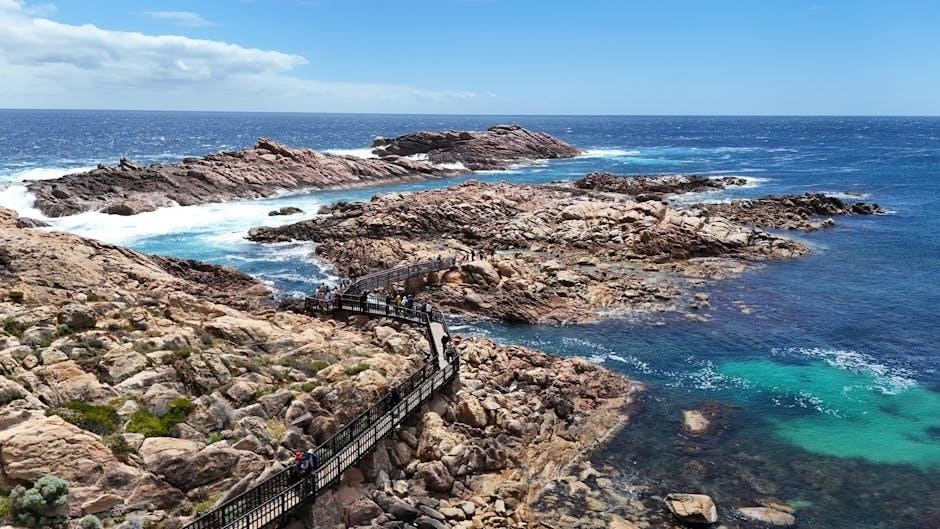
Deciding on your route defines your Australian Lap experience. The East Coast, from Sydney to Cairns, offers stunning beaches, the Great Barrier Reef, and lush rainforests – ideal for first-timers. It’s generally more accessible and populated. The West Coast, Perth to Broome, presents rugged landscapes, the Pinnacles Desert, and the remote Kimberley region, demanding more planning and a suitable vehicle.
A Full Circuit combines both coasts, requiring significant time (6-12 months) and a robust budget. It showcases Australia’s incredible diversity. Consider your time constraints, budget, and desired level of remoteness. Shorter trips can focus on one coast, while longer journeys allow for a complete circumnavigation. Prioritize destinations based on your interests.
East Coast Lap Itinerary (Sydney to Cairns)
Begin your East Coast adventure in vibrant Sydney! Explore iconic landmarks, then head north towards the Blue Mountains for breathtaking views and hiking trails. Continue along the coastal route, discovering charming towns and pristine beaches in New South Wales.
Queensland beckons with Fraser Island’s unique beauty – the world’s largest sand island. Sail through the stunning Whitsunday Islands, and immerse yourself in the underwater wonders of the Great Barrier Reef. This route offers a blend of city life, natural beauty, and adventure activities. Allow at least 3-6 months to fully appreciate this incredible journey, factoring in time for relaxation and exploration.
New South Wales Highlights: Sydney, Blue Mountains, Coastal Drives
Sydney, a global city, offers iconic sights like the Opera House and Harbour Bridge. Explore vibrant neighborhoods and enjoy world-class dining. Venture west to the Blue Mountains, a UNESCO World Heritage site, for dramatic cliffs, eucalyptus forests, and hiking trails suitable for all levels.
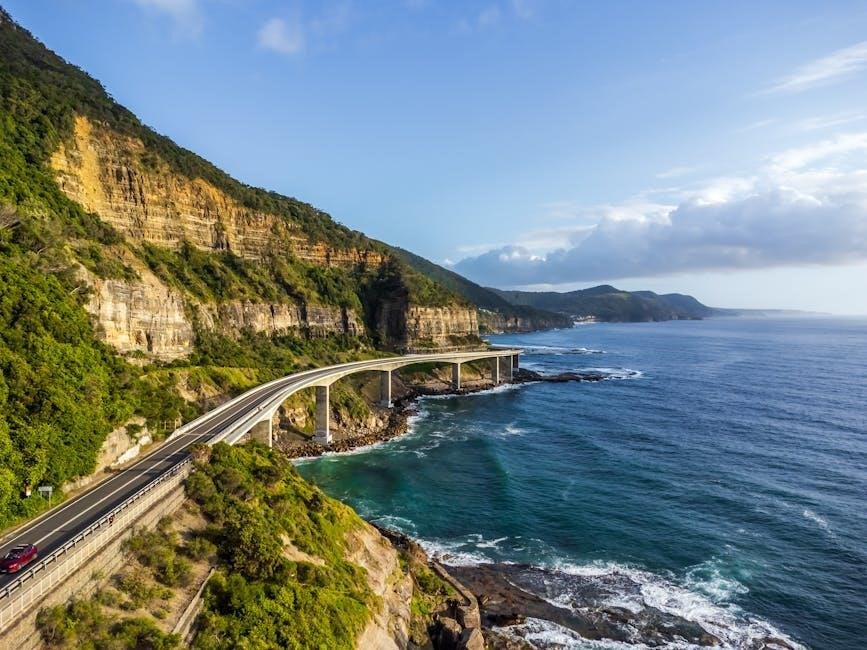
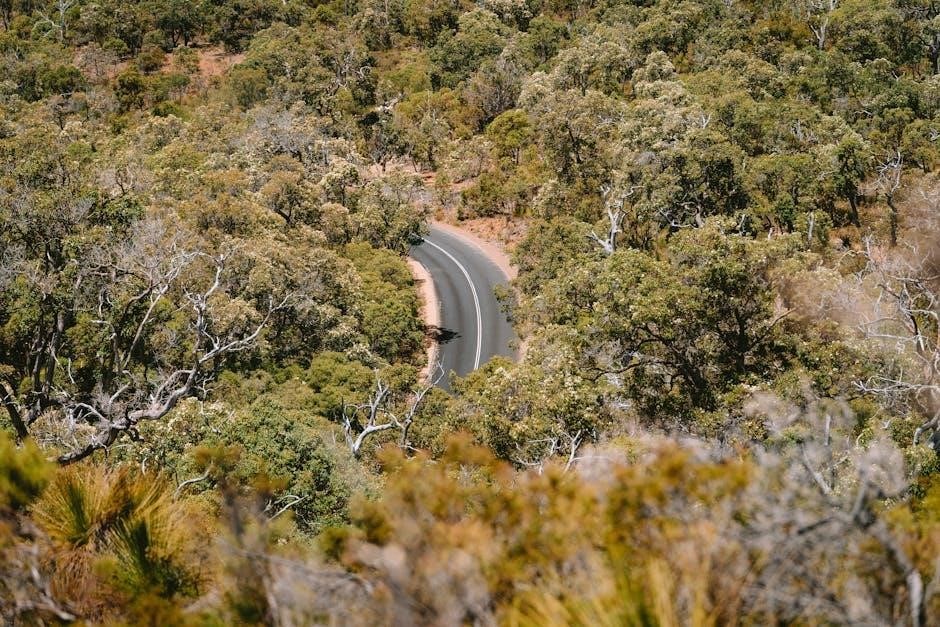
The NSW coastline is a treasure trove of beaches and charming towns. Drive the Grand Pacific Drive for stunning ocean views and coastal scenery. Explore Jervis Bay, famed for its white-sand beaches and dolphin spotting opportunities. Don’t miss Port Stephens, known for its sand dunes and whale watching tours. Allow ample time to savor the diverse landscapes and experiences this region provides.
Queensland Exploration: Fraser Island, Whitsundays, Great Barrier Reef
Queensland boasts natural wonders aplenty. Fraser Island, the world’s largest sand island, offers unique experiences like driving on 75 Mile Beach and swimming in Lake McKenzie. Explore ancient rainforests growing on sand and encounter dingoes in their natural habitat.
The Whitsunday Islands are a tropical paradise, perfect for sailing, snorkeling, and relaxing on pristine beaches like Whitehaven Beach, renowned for its swirling silica sands. Finally, immerse yourself in the Great Barrier Reef, a UNESCO World Heritage site, through diving, snorkeling, or glass-bottom boat tours. Witness vibrant coral reefs and diverse marine life – an unforgettable experience!
West Coast Lap Itinerary (Perth to Broome)
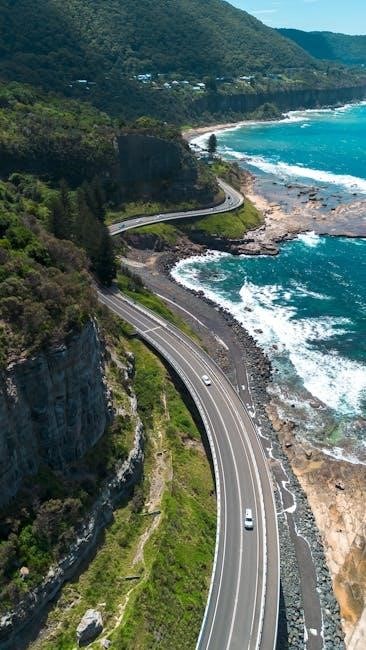
Western Australia’s coastline presents a rugged beauty unlike any other. Begin in Perth, exploring its vibrant city life and beautiful beaches. Head south to the Margaret River region, famed for its world-class wineries, surf beaches, and stunning caves. Continue north to the eerie Pinnacles Desert, a landscape of ancient limestone formations.
The journey culminates in the Kimberley region, a remote wilderness of ancient gorges, cascading waterfalls, and dramatic landscapes. Explore El Questro Wilderness Park, Mitchell Falls, and the Horizontal Falls. This leg demands careful planning due to remote conditions and limited facilities, but rewards adventurers with unparalleled natural beauty.
Western Australia’s South: Margaret River, Pinnacles Desert
Margaret River is a haven for wine lovers and outdoor enthusiasts. Explore numerous cellar doors, sampling award-winning wines, and indulge in gourmet food experiences. Surfers will find world-class waves, while hikers can explore the stunning coastline and ancient forests. Don’t miss the captivating caves, like Mammoth Cave and Lake Cave.
Further north, the Pinnacles Desert offers a surreal landscape. Thousands of limestone pillars rise from the yellow sands, creating an otherworldly scene, especially at sunrise or sunset. Explore the desert by car or on foot, and learn about its geological origins at the visitor center. This region showcases Western Australia’s unique and dramatic beauty.
The Kimberley Region: Ancient Landscapes & Remote Adventures
The Kimberley is a vast, rugged wilderness in Western Australia, offering an unparalleled outback experience. Explore ancient gorges, cascading waterfalls, and dramatic rock formations like the Bungle Bungle Range in Purnululu National Park. This is a true remote adventure, often requiring a 4WD vehicle and careful planning.
Discover Aboriginal culture through rock art sites and guided tours. Cruise along the Kimberley coastline, witnessing unique wildlife and breathtaking scenery. Be prepared for challenging road conditions and limited facilities. The Kimberley demands respect and preparation, but rewards travelers with unforgettable landscapes and a sense of true isolation and wonder.
The Full Australian Lap: Combining East & West
Undertaking the full Australian lap is the ultimate road trip challenge, seamlessly blending the diverse experiences of both coasts. This ambitious journey typically involves traversing the Nullarbor Plain, connecting Western Australia to South Australia and onward to the eastern states. Expect long distances and varying road conditions, demanding thorough preparation and a reliable vehicle.
Combining the highlights of the East Coast (Great Barrier Reef, Fraser Island) with the West Coast’s (Kimberley, Margaret River) creates an epic adventure. Allow at least six to twelve months to fully appreciate the journey, factoring in time for detours and unexpected discoveries. This complete circuit offers a profound connection with the Australian landscape and its unique character.
Essential Gear & Equipment Checklist
Preparing for a lap of Australia demands a comprehensive gear checklist. Camping equipment is crucial: a durable tent, comfortable sleeping bags suited to varying climates, and a portable cooking setup. Safety and recovery gear are non-negotiable – a well-stocked first-aid kit, satellite communication device (phone or personal locator beacon), spare tires, and essential repair tools.
Consider recovery tracks, a jump starter, and extra fuel/water containers for remote stretches. Navigation tools (maps, GPS) are vital, alongside a comprehensive toolkit. Don’t forget personal items like appropriate clothing, sunscreen, insect repellent, and a reliable camera to capture the memories. Thorough preparation minimizes risks and maximizes enjoyment on your epic adventure.
Camping Equipment: Tents, Sleeping Bags, Cooking Gear
Selecting the right camping gear is paramount for comfort and safety. Tents should be durable, weatherproof, and appropriately sized for your group – consider a 4WD-compatible tent for rough terrain. Sleeping bags require careful selection based on expected temperatures; a temperature rating lower than the anticipated lows is recommended.
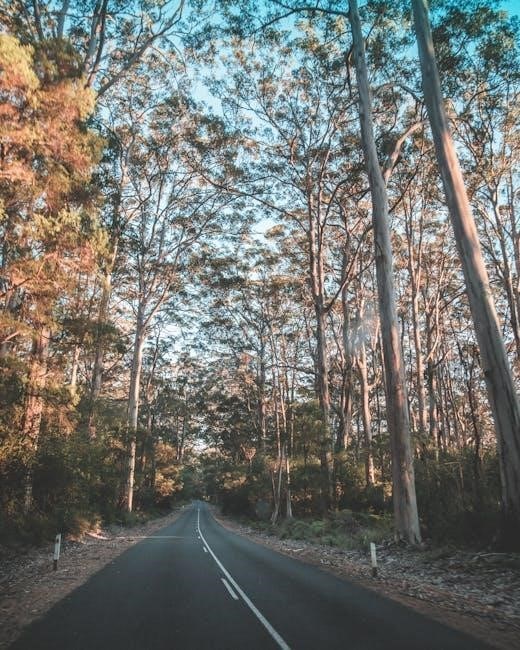
Cooking gear should be lightweight and efficient. A portable gas stove, cookware set, utensils, and food storage containers are essential. Don’t forget a cooler or fridge for perishables. Consider a camp table and chairs for comfortable dining. Prioritize quality and durability, as your gear will endure harsh conditions throughout your Australian lap.
Safety & Recovery: First Aid, Communication Devices, Spare Parts
Prioritizing safety is non-negotiable on a remote Australian adventure. A comprehensive first aid kit, including snake bite treatment, is crucial. Communication devices are vital; a satellite phone or personal locator beacon (PLB) is essential for areas with no mobile coverage. Ensure you know how to use them!
Carry essential spare parts for your vehicle – belts, hoses, filters, and tires are a good start. A tire repair kit and air compressor are also invaluable. Recovery gear, like a winch, snatch strap, and shovel, can be life-saving if you get bogged. Inform someone of your itinerary and check in regularly. Preparation minimizes risks and maximizes peace of mind.
Free Camping vs. Caravan Parks: Weighing Your Options
Choosing between free camping and caravan parks significantly impacts your budget and experience. Free camping, often in national parks or on station stays, offers immersion in nature and cost savings, but typically lacks amenities. Research permitted areas and regulations carefully; leave no trace!
Caravan parks provide facilities like showers, toilets, laundry, and power, enhancing comfort and convenience. They are ideal for recharging and restocking supplies. However, they come at a cost. A balanced approach – mixing free camping with occasional park stays – is popular. Consider your comfort level, vehicle setup, and desired level of convenience when making your decision.
Navigating the Outback: Road Conditions & Remote Area Travel
Outback travel demands meticulous preparation. Road conditions vary dramatically – from sealed highways to unsealed gravel and corrugated tracks. A 4WD vehicle is highly recommended for many areas, alongside understanding tyre pressures and driving techniques for challenging terrain.
Always check road reports before departing, as conditions can change rapidly due to weather. Carry ample fuel, water, and spare parts. Inform someone of your itinerary and expected arrival times. Satellite phones or personal locator beacons (PLBs) are crucial for emergencies where mobile coverage is absent. Respect the environment and be self-sufficient; remote areas offer limited assistance.
Wildlife Encounters: Safety & Responsible Tourism
Australia’s wildlife is captivating, but respect is paramount. Be aware of potential dangers – crocodiles, snakes, spiders, and marine stingers require caution. Maintain a safe distance from all animals; never feed them, as this alters natural behaviours.
Responsible tourism is vital. Support eco-certified tours and operators committed to conservation. Avoid disturbing habitats and follow park regulations. Be particularly mindful during breeding seasons. When driving, be alert for animals crossing roads, especially at dawn and dusk. Report any injured wildlife to local authorities. Enjoy encounters responsibly, ensuring their preservation for future generations.
Dealing with Fuel & Water in Remote Locations
Remote travel demands meticulous planning for fuel and water. Distances between stations can be vast; always carry extra fuel, even with a modern vehicle. Utilize fuel apps to track distances and availability. Water is equally crucial – carry ample supplies for drinking, cooking, and emergencies.
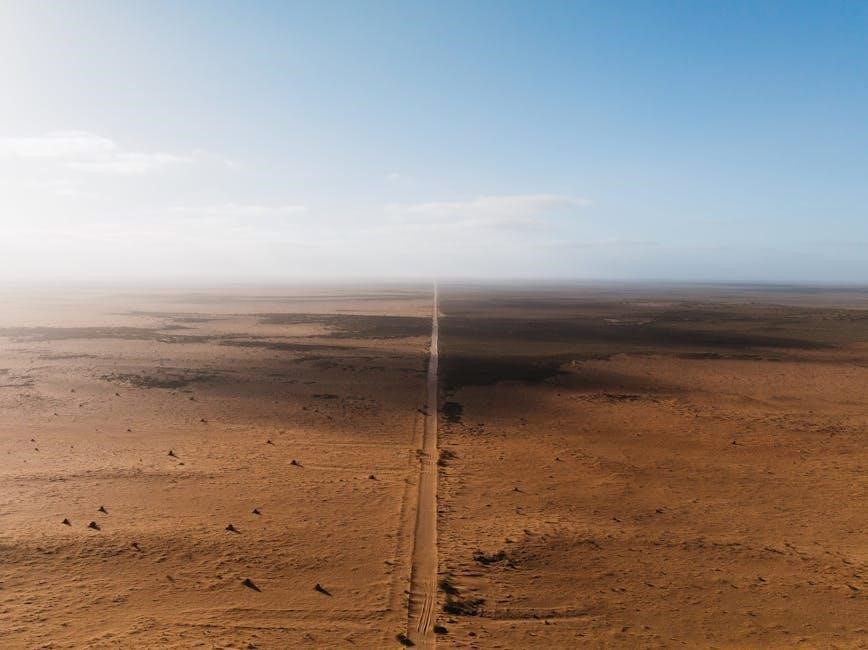
Invest in water purification systems or carry sufficient bottled water. Be aware of potential water source contamination. Plan your route around reliable refueling and restocking points. Inform someone of your itinerary and check in regularly. Consider a satellite phone for emergencies where mobile coverage is absent. Prioritize self-sufficiency and preparedness for the Outback’s challenges.
Staying Connected: Mobile Coverage & Internet Access
Connectivity across Australia varies dramatically. Major cities and coastal areas generally have reliable mobile coverage, but the Outback presents significant challenges. Telstra typically offers the most extensive network, but coverage isn’t guaranteed everywhere.
Consider a satellite phone for essential communication in remote regions. Pre-paid and post-paid SIM cards are readily available. Download offline maps and translation apps before departing. Many caravan parks and towns offer Wi-Fi, but speeds can be slow. Investigate portable Wi-Fi hotspots or data plans for increased connectivity. Be prepared to disconnect and embrace the solitude of the Australian landscape!
Top 10 Must-See Destinations on Your Lap
Australia boasts incredible diversity! Here are ten essential stops: 1) Sydney Opera House & Harbour, 2) Great Barrier Reef (Queensland), 3) Uluru (Ayers Rock), 4) Kakadu National Park (NT), 5) The Kimberley (WA), 6) Margaret River (WA), 7) Fraser Island (QLD), 8) Blue Mountains (NSW), 9) Melbourne’s laneways & culture, and 10) Cradle Mountain-Lake St Clair National Park (Tasmania).
These locations offer unique experiences, from vibrant city life to ancient landscapes. Prioritize based on your interests – wildlife, adventure, or relaxation. Remember to book accommodations and tours in advance, especially during peak season. Allow ample time to explore each destination fully and create lasting memories on your epic Australian journey!
Seasonal Considerations: Best Time to Lap Australia
Timing is crucial for a comfortable lap! Generally, April-May and September-October offer pleasant weather across much of Australia, avoiding extreme heat and the wet season. North Queensland’s wet season (November-April) brings cyclones and humidity. The Kimberley is best visited during the dry season (May-October).
Southern Australia experiences cooler winters (June-August). Consider the school holiday periods, as prices increase and popular spots become crowded. The Red Centre is best explored in cooler months. Planning around regional events can enhance your trip, but book ahead! Flexibility is key, as weather patterns can be unpredictable.
Creating Your Custom Lap of Australia PDF Itinerary
Personalize your adventure! Begin by outlining your interests – nature, history, adventure, or relaxation. Determine your travel style: fast-paced or leisurely. Utilize online resources and travel blogs for inspiration, noting must-see destinations and potential routes.
Digital tools are invaluable. Employ mapping software (Google Maps, WikiCamps) to estimate distances and travel times. Create a detailed spreadsheet listing destinations, accommodation options, and planned activities. Convert this into a PDF for offline access. Include emergency contact information and copies of important documents. Remember to factor in buffer days for unexpected delays or spontaneous detours!
Resources & Useful Websites for Planning
Unlock a wealth of information! WikiCamps Australia (https://www.wikicamps.com;au/) is essential for finding campsites, caravan parks, and points of interest, often with user reviews. Tourism Australia (https://www.australia;com/) provides official travel guides and inspiration.
For road conditions, check state government websites (e.g., Main Roads WA, NSW Roads and Maritime Services). Bureau of Meteorology (https://www.bom.gov.au/) offers accurate weather forecasts. Explore travel blogs and forums like The Land Down Under for firsthand experiences and tips. Don’t forget park websites for permits and closures!
Common Mistakes to Avoid on Your Australian Road Trip
Plan meticulously to sidestep pitfalls! Underestimating distances is a frequent error; Australia is vast. Ignoring road conditions, especially in remote areas, can lead to vehicle damage or getting stranded. Insufficient water and fuel are critical concerns – always carry extra.
Failing to check for park closures or permit requirements can disrupt plans. Overpacking adds weight and complexity. Not accounting for seasonal variations (heat, rain, cyclones) impacts safety and enjoyment. Relying solely on mobile coverage is risky; download offline maps. Finally, underestimating the cost can strain your budget – plan accordingly!
Insurance & Legal Requirements for Driving in Australia
Ensure legal compliance and protection! Comprehensive vehicle insurance is vital, covering accidents, theft, and damage. Third-party insurance is the minimum legal requirement in most states. International drivers need a valid license and potentially an International Driving Permit (IDP).
Road rules vary by state/territory; familiarize yourself with local regulations. Seatbelts are mandatory for all occupants. Drink-driving laws are strict with zero tolerance for some drivers. Speed limits are clearly signposted – adhere to them. Ensure your vehicle registration is current. Understand permit requirements for remote area travel and national parks.
Post-Trip Reflections: Sharing Your Adventure
Relive and inspire! Your Australian lap is complete – now, document and share the incredible journey. Create a photo album or video montage showcasing highlights. Write a blog detailing experiences, challenges, and triumphs. Share your itinerary and tips to assist future travelers.
Connect with fellow adventurers on online forums and social media groups. Contribute to travel websites with reviews and recommendations. Consider submitting photos to travel magazines. Reflect on personal growth and lessons learned. Your story can inspire others to pursue their own Australian dreams. Don’t forget to back up all your precious memories!