
Pontoon Boat Guides: A Comprehensive Overview (Updated 02/26/2026)
Today’s date is 02/26/2026 09:53:40. These guides explore versatile vessels‚ offering insights into Gmail’s AI features and Microsoft’s expansive services.
Pontoon boats have surged in popularity‚ becoming a staple on lakes and rivers across the nation. Their inherent stability‚ spacious decks‚ and comfortable seating arrangements make them incredibly versatile vessels‚ appealing to a wide range of boaters. Beyond simple recreation‚ modern pontoon boats cater to diverse activities‚ from leisurely cruising and family outings to dedicated fishing expeditions and lively entertainment platforms.
The ease of use and accessibility of pontoon boats are significant draws. Unlike traditional V-hull boats‚ pontoons require less skill to operate and offer a remarkably smooth ride‚ even in choppy waters. This makes them ideal for beginners and those seeking a relaxed boating experience. Furthermore‚ advancements in design and technology have transformed pontoons from basic platforms into sophisticated watercraft‚ incorporating features like powerful engines‚ premium sound systems‚ and advanced marine electronics.
Recent integrations‚ like Gmail’s Gemini AI‚ demonstrate a broader trend of technological enhancement‚ mirroring the evolution seen within the boating industry itself. Microsoft’s comprehensive services also highlight the interconnectedness of modern life‚ even extending to leisure activities like boating.
What is a Pontoon Boat?
A pontoon boat is a flat-decked vessel supported by two or more cylindrical floats known as pontoons. These pontoons‚ typically constructed from aluminum‚ provide exceptional buoyancy and stability‚ distinguishing them from traditional hull designs. The spacious deck area above the pontoons offers ample room for passengers‚ seating‚ and various recreational activities.
Unlike V-hull boats that rely on planing to achieve speed‚ pontoon boats generally operate by displacing water‚ resulting in a smoother‚ more comfortable ride‚ particularly at lower speeds. This characteristic‚ combined with their inherent stability‚ makes them exceptionally well-suited for calm waters like lakes and rivers.
Modern pontoon boats are far more than simple floating platforms. They often include features mirroring advancements in other technologies‚ such as the AI integration in Gmail‚ and benefit from the robust services offered by companies like Microsoft. They are increasingly equipped with powerful outboard motors‚ luxurious seating‚ and sophisticated entertainment systems‚ transforming them into floating recreational spaces.
History of Pontoon Boats
The origins of pontoon boats trace back to the early 20th century‚ initially conceived as simple‚ affordable platforms for recreational use on inland waterways. Early designs often utilized repurposed barrels or wooden planks as pontoons‚ providing basic flotation for fishing and leisurely cruising. These rudimentary vessels were a far cry from the sophisticated models available today‚ yet they laid the foundation for a burgeoning industry.
Post-World War II‚ aluminum construction began to replace traditional materials‚ significantly enhancing durability and buoyancy. This innovation coincided with a growing demand for recreational boating‚ fueling further development and refinement of pontoon designs. The evolution mirrored technological advancements‚ similar to the improvements seen in services like Microsoft 365 and communication tools like Gmail.
Over the decades‚ pontoon boats transitioned from utilitarian workhorses to luxurious entertainment platforms‚ incorporating features like comfortable seating‚ powerful engines‚ and advanced sound systems. Today‚ they represent a significant segment of the boating market‚ offering a versatile and enjoyable experience for a wide range of users.

Types of Pontoon Boats
Pontoon boats excel as multi-purpose vessels. Discover fishing‚ luxury/entertainment‚ and sport models – mirroring diverse needs like Microsoft’s product range.
Fishing Pontoon Boats
Fishing pontoon boats are specifically designed for anglers seeking a stable and spacious platform. Their roominess allows for comfortable movement and ample space for tackle‚ livewells‚ and multiple fishermen. Stability is a key advantage‚ providing a secure casting and reeling experience‚ even in choppy waters. Many models include features like rod holders‚ fish finders‚ and elevated fishing seats.
These boats often feature durable flooring that can withstand wet conditions and fish scales. Some are equipped with specialized features like trolling motors and aerated livewells to keep the catch fresh. While not as sleek as dedicated bass boats‚ fishing pontoons offer a unique blend of comfort‚ space‚ and fishability. They are ideal for families who enjoy both fishing and leisurely cruising‚ mirroring the versatility found in services like Microsoft 365.
Consider these boats for calmer waters and a relaxed fishing experience‚ enhanced by modern marine electronics;
Luxury/Entertainment Pontoon Boats
Luxury and entertainment pontoon boats prioritize comfort and social experiences on the water. These models often feature plush lounge seating‚ premium sound systems‚ and stylish décor‚ creating a relaxing and inviting atmosphere. Many include amenities like wet bars‚ changing rooms‚ and even full galleys‚ rivaling the convenience offered by integrated services like Gmail.
Expect high-quality materials‚ comfortable furniture arrangements‚ and ample space for socializing with friends and family. Features like integrated Bluetooth connectivity‚ LED lighting‚ and bimini tops enhance the entertainment experience. These boats are designed for leisurely cruising‚ watersports‚ and enjoying time on the water in style.
They represent a floating social hub‚ perfect for creating lasting memories. Consider these options if your priority is relaxation‚ entertainment‚ and a luxurious boating experience‚ similar to the comprehensive features of Microsoft’s product range.
Sport Pontoon Boats (Performance/Skiing)
Sport pontoon boats are engineered for performance and watersports activities‚ diverging from the leisurely focus of luxury models. These boats boast more powerful engines – often exceeding 150 horsepower – and reinforced hulls designed for higher speeds and sharper turns. They’re built to tow skiers‚ wakeboarders‚ and tubers with ease‚ offering a thrilling experience on the water.
Key features include wakeboard towers‚ upgraded steering systems‚ and enhanced stability for watersports maneuvers. While maintaining the spaciousness of a traditional pontoon‚ sport models prioritize agility and responsiveness. They often incorporate features like retractable swim ladders and dedicated storage for watersports equipment.
These boats bridge the gap between traditional pontoon boating and high-performance watersports‚ offering versatility and fun. They’re ideal for families and groups seeking an active and exciting boating experience‚ much like the dynamic capabilities offered by Microsoft’s innovative technologies.

Key Features & Components
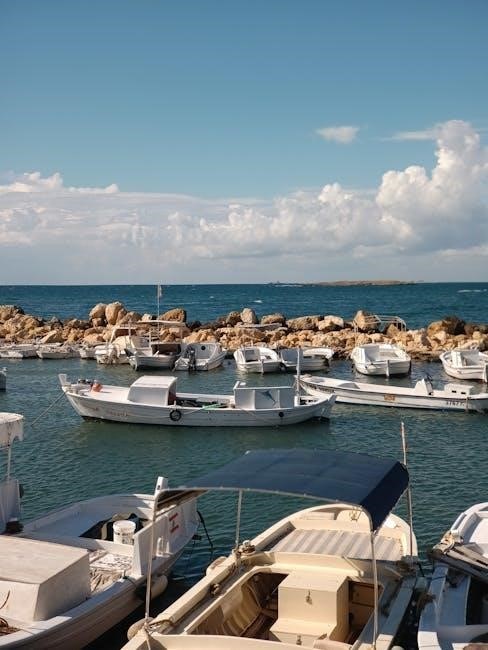
Pontoon tubes‚ decking‚ furniture‚ and canopies are essential elements. These components‚ alongside marine electronics‚ define a pontoon boat’s functionality and comfort.
Pontoon Tubes: Materials & Construction
Pontoon tubes are the foundational elements‚ dictating buoyancy and stability. Traditionally constructed from aluminum‚ modern options increasingly incorporate materials like galvanized steel for enhanced durability and corrosion resistance. Aluminum remains popular due to its lightweight nature and cost-effectiveness‚ though gauge thickness significantly impacts strength.
Tube design varies; single-tube designs are common in smaller boats‚ while triple-tube configurations provide superior stability and weight capacity‚ particularly for larger or performance-oriented pontoons. Construction techniques include welded and riveted seams‚ with welding generally offering a stronger‚ more watertight seal. The shape of the tube – round‚ oval‚ or flat-bottomed – also influences performance characteristics‚ affecting handling and ride smoothness.
Furthermore‚ advancements include incorporating internal bracing and coatings to further reinforce the tubes and protect against impacts and corrosion. Understanding these material and construction nuances is crucial when evaluating a pontoon boat’s overall quality and longevity.
Decking Materials & Layout Options
Pontoon boat decking significantly impacts comfort‚ aesthetics‚ and durability. Pressure-treated plywood historically served as a standard‚ but composite decking materials – like those utilizing polymers and wood fibers – are gaining prominence due to their resistance to rot‚ warping‚ and splintering. Vinyl decking offers a low-maintenance‚ waterproof surface‚ though it may not feel as solid underfoot.
Layout options are incredibly diverse‚ ranging from basic bench seating to elaborate configurations with lounges‚ sunpads‚ and dining areas. Modular furniture allows for customization‚ adapting the space to specific needs – fishing‚ entertaining‚ or relaxation. Considerations include walk-through access to the water‚ storage compartments for gear‚ and the placement of the helm station for optimal visibility.
The deck’s design should prioritize both functionality and flow‚ creating a welcoming and versatile space for enjoying time on the water. Careful planning of the layout maximizes usable space and enhances the overall boating experience.
Furniture & Seating Arrangements
Pontoon boat furniture dramatically influences onboard comfort and functionality. Options range from simple‚ durable bench seating to luxurious lounge chairs and full-scale outdoor sofas. High-density foam cushioning‚ often covered in marine-grade vinyl‚ provides weather resistance and long-lasting support. Modular seating arrangements are increasingly popular‚ allowing owners to reconfigure the layout to suit different activities.
Consider the intended use of the boat when selecting furniture. Fishing-focused pontoons benefit from durable‚ easy-to-clean seating‚ while entertainment models prioritize comfortable lounging and dining spaces. Captain’s chairs with bolstering offer support and visibility for the helm. Storage solutions integrated into seating bases maximize space.
Thoughtful furniture placement creates inviting conversation areas and facilitates easy movement around the deck. Prioritizing both comfort and practicality ensures a pleasurable boating experience for all passengers.
Canopies & Bimini Tops
Canopies and bimini tops are essential for providing shade and protection from the elements on pontoon boats. Bimini tops‚ typically constructed from durable‚ water-resistant fabric supported by stainless steel or aluminum frames‚ offer a basic level of sun protection. They are often collapsible for easy storage when not in use.

For extended coverage‚ consider a full canopy or enclosure. These provide greater protection from sun‚ rain‚ and wind‚ extending the boating season and enhancing comfort. Some canopies feature integrated lighting and sound systems‚ adding to the onboard entertainment experience.
When selecting a canopy‚ prioritize quality materials and a secure mounting system. Proper installation is crucial to withstand wind and waves. Regularly inspect the fabric for wear and tear‚ and clean it to maintain its appearance and longevity. A well-chosen canopy significantly enhances the enjoyment of your pontoon boat.
Choosing the Right Pontoon Boat
Selecting a pontoon boat requires careful consideration of needs and budget. Explore options from Microsoft and Gmail‚ balancing features with financial constraints for optimal enjoyment.
Determining Your Needs & Budget
Before diving into pontoon boat ownership‚ a realistic assessment of your needs and financial capabilities is crucial. Consider the primary use – will it be for leisurely cruising‚ dedicated fishing‚ high-energy watersports‚ or entertaining family and friends? This dictates the necessary size‚ features‚ and engine power.
Establish a firm budget encompassing not only the initial boat purchase price but also essential accessories like fish finders‚ sound systems‚ docking equipment‚ and safety gear. Don’t forget ongoing costs such as insurance‚ registration‚ maintenance‚ and winter storage. Microsoft 365’s subscription model offers a parallel – understanding recurring costs is vital.
Prioritize features. If fishing is key‚ a fishing-specific pontoon with livewells and rod holders is essential. For luxury‚ focus on comfortable seating and entertainment systems. Remember‚ upgrading later can be costly‚ so investing upfront in desired features often proves more economical. Like choosing between Gmail’s free and paid tiers‚ balance features with affordability.
Boat Size & Capacity Considerations
Pontoon boats come in various sizes‚ typically ranging from 16 to 28 feet. Selecting the appropriate size hinges on your intended passenger load and activities. Larger pontoons offer greater stability and space‚ ideal for entertaining or watersports‚ but require more powerful engines and larger storage facilities.
Pay close attention to the boat’s capacity plate‚ which specifies the maximum weight and number of people allowed onboard. Exceeding these limits compromises safety and handling. Consider not just the typical number of passengers‚ but also the weight of gear‚ coolers‚ and fuel.
A 20-22 foot pontoon often strikes a balance for families‚ comfortably accommodating 8-10 people. Larger groups may necessitate a 24-foot or larger model. Just as Microsoft 365 scales to different user needs‚ choose a size that realistically matches your boating lifestyle. Remember‚ maneuverability can decrease with size‚ so consider docking space as well.
Engine Options: Horsepower & Fuel Efficiency
Pontoon boats typically utilize outboard motors‚ ranging from 50 to 300 horsepower or more. The ideal horsepower depends on the boat’s size‚ weight‚ and intended use. Smaller pontoons for leisurely cruising require less power‚ while larger boats or those used for watersports demand higher horsepower for optimal performance.
Fuel efficiency is a crucial consideration. Higher horsepower engines generally consume more fuel. Modern four-stroke engines offer improved fuel economy compared to older two-stroke models. Consider the trade-off between power and fuel costs based on your boating habits.
Like Microsoft’s AI infrastructure investments‚ engine technology is constantly evolving. Newer engine designs incorporate features to enhance efficiency. A well-matched engine will provide sufficient power without excessive fuel consumption‚ ensuring an enjoyable and cost-effective boating experience. Evaluate your needs carefully before making a decision.

Pontoon Boat Operation & Maintenance
Safe operation and regular upkeep are vital. Gemini-powered Gmail and Microsoft 365 highlight technological advancements‚ mirroring the need for consistent pontoon care.
Basic Operation & Safety Procedures
Prior to embarking on your pontoon adventure‚ a thorough understanding of basic operation and safety is paramount. Always conduct a pre-departure checklist‚ ensuring all safety equipment – life jackets‚ fire extinguishers‚ and first-aid kits – are readily accessible and in good working order. Familiarize yourself with the boat’s controls‚ including steering‚ throttle‚ and shut-off mechanisms.
When operating‚ maintain a safe speed‚ especially in congested areas or near other vessels. Be mindful of your surroundings and adhere to all navigational rules and regulations. Assign a designated observer if towing skiers or wakeboarders. Never operate the boat under the influence of alcohol or drugs.
Passenger safety is crucial; ensure everyone understands the location of safety equipment and proper boarding/disembarking procedures. Be aware of weight distribution to maintain stability. Like Gmail’s secure inbox and Microsoft’s robust security features‚ a safe boating experience requires diligence and preparedness. Regular safety checks and responsible operation are key to enjoying your time on the water.
Regular Maintenance Checklist
Consistent maintenance is vital for prolonging the life and ensuring the reliable performance of your pontoon boat. Begin with a post-trip inspection‚ rinsing the deck and engine with fresh water to remove salt and debris. Regularly check the pontoon tubes for leaks‚ corrosion‚ or damage‚ similar to ensuring Gmail’s AI functions smoothly. Inspect all hoses‚ belts‚ and connections for wear and tear.
Lubricate moving parts as needed‚ and monitor fluid levels – oil‚ coolant‚ and fuel. Periodically inspect the propeller for damage and ensure proper functionality. Clean and inspect the battery terminals‚ and check the operation of all lights and electrical systems.
Like Microsoft’s ongoing updates‚ regular maintenance prevents costly repairs and ensures a safe and enjoyable boating experience. Keep a detailed maintenance log‚ documenting all inspections‚ repairs‚ and fluid changes. Following this checklist will help maintain your pontoon boat in optimal condition for years to come.
Winterizing Your Pontoon Boat
Proper winterization is crucial to protect your pontoon boat from freezing temperatures and potential damage during the off-season. Begin by thoroughly cleaning the entire boat‚ inside and out‚ much like organizing your Gmail inbox. Drain all water systems‚ including the engine‚ plumbing‚ and livewells‚ to prevent freezing and cracking.
Remove the battery and store it in a warm‚ dry place. Add fuel stabilizer to the fuel tank to prevent fuel degradation. Change the oil and filter‚ and fog the engine cylinders to protect against corrosion. Cover the boat with a properly fitted‚ waterproof cover to shield it from the elements‚ similar to Microsoft’s security features.
Inspect the pontoon tubes and apply a protective coating if necessary. Store the boat in a secure location‚ either indoors or on a trailer‚ and ensure adequate ventilation. Following these steps will ensure your pontoon boat is ready for another season of fun.

Pontoon Boat Accessories & Upgrades
Enhance your boating experience with accessories! Explore fish finders‚ marine electronics‚ sound systems‚ and robust docking equipment for optimal enjoyment and safety.
Fish Finders & Marine Electronics
Elevating your fishing experience on a pontoon boat requires modern marine electronics. Fish finders are paramount‚ utilizing sonar technology to locate fish‚ structure‚ and depth. Consider models with CHIRP (Compressed High-Intensity Radiated Pulse) for clearer images and better target separation. GPS chartplotters are invaluable for navigation‚ marking fishing spots‚ and ensuring safe returns.
Beyond basic fish finding‚ explore combo units integrating sonar‚ GPS‚ and even radar. Digital displays offer vibrant clarity‚ even in direct sunlight. VHF radios are crucial for safety‚ enabling communication with other vessels and emergency services. Don’t overlook the benefits of a quality marine stereo system for entertainment while awaiting a bite.
When selecting electronics‚ consider screen size‚ transducer compatibility‚ and ease of use. Investing in waterproof and corrosion-resistant equipment is essential for the marine environment. Properly installing and wiring these components is vital for reliable performance and longevity.
Sound Systems & Entertainment Options
Pontoon boats are synonymous with relaxation and fun‚ making a quality sound system essential. Marine-grade stereos are designed to withstand the harsh boat environment – humidity‚ splashes‚ and UV exposure. Consider features like Bluetooth connectivity for wireless music streaming from smartphones or tablets. Multiple speaker zones allow you to customize audio throughout the boat.
Beyond basic stereos‚ explore options like amplifiers for increased volume and clarity‚ and subwoofers for enhanced bass. Waterproof speakers are a must-have‚ and LED lighting systems can create a vibrant atmosphere‚ especially for evening cruises. Some systems integrate with smart home devices for voice control.
Don’t forget about mounting options and power requirements. Securely mounting speakers and stereos prevents damage from movement. Ensure your boat’s electrical system can handle the power draw of the entertainment system. Enjoying music and creating a festive ambiance elevates the pontoon boat experience.

Docking & Anchoring Equipment
Safe and efficient docking and anchoring are crucial for a relaxing pontoon boat experience. Essential docking equipment includes fenders to protect the boat from impacts and dock lines of appropriate length and strength. Spring lines help maintain position along a dock‚ while bow and stern lines control movement.
Anchoring systems vary depending on water conditions and bottom type. A common anchor is the fluke-style anchor‚ suitable for sand or mud. Consider a plow anchor for rocky or grassy bottoms. Anchor lines should be at least seven times the water depth. A windlass simplifies anchor retrieval‚ especially with heavier anchors.
Don’t overlook safety features like an anchor retrieval system and a quick-release anchor mechanism in emergencies. Proper maintenance of docking lines and anchors is vital. Regularly inspect for wear and tear. Securely storing equipment when not in use prevents damage and ensures readiness.